Thursday, October 1, 2026
San Juan Regional Medical Center Earns Primary Stroke Center Certification from DNV
San Juan Regional Medical Center is proud to announce that we have received Primary Stroke Center Certification from DNV, recognizing the hospital’s readiness to provide comprehensive, timely care for patients experiencing stroke and stroke-related problems. The certification reflects SJRMC’s commitment to providing high-quality stroke care through the right combination of equipment, highly trained caregivers, established protocols and coordinated care.
“This certification reassures our community that we have the resources and commitment to provide the best possible stroke care,” said Jason Rounds, President and CEO of San Juan Regional Medical Center. “Our community trusts us to be there when they need us most, and we take that responsibility seriously. This recognition reflects the dedication of our caregivers and our continued investment in providing exceptional care close to home.”
The DNV Primary Stroke Center Certification is based on standards set forth by the Brain Attack Coalition and the American Stroke Association. The certification recognizes SJRMC’s ability to address key elements of stroke care, including diagnosis, treatment, rehabilitation and education, while establishing clear measures for evaluating outcomes.
“Achieving certification shows commitment to excellence,” said Kelly Proctor, President of DNV Healthcare USA Inc. “And it helps demonstrate to your community that you are performing at the highest level.”
Stroke is a medical emergency that occurs when blood flow to the brain is interrupted, potentially causing permanent brain damage or death. Rapid recognition and treatment are critical to reducing the risk of long-term disability and improving outcomes. According to the National Stroke Association, stroke is a leading cause of death, taking nearly 130,000 lives each year, and is a leading cause of serious, long-term, preventable adult disability.
At San Juan Regional Medical Center, stroke care begins before a patient arrives at the Emergency Department. When someone calls 911 for suspected stroke symptoms, EMS crews can begin care while transporting the patient to the hospital. A stroke alert also notifies the appropriate hospital teams so they can prepare for the patient’s arrival and prioritize their emergent needs.
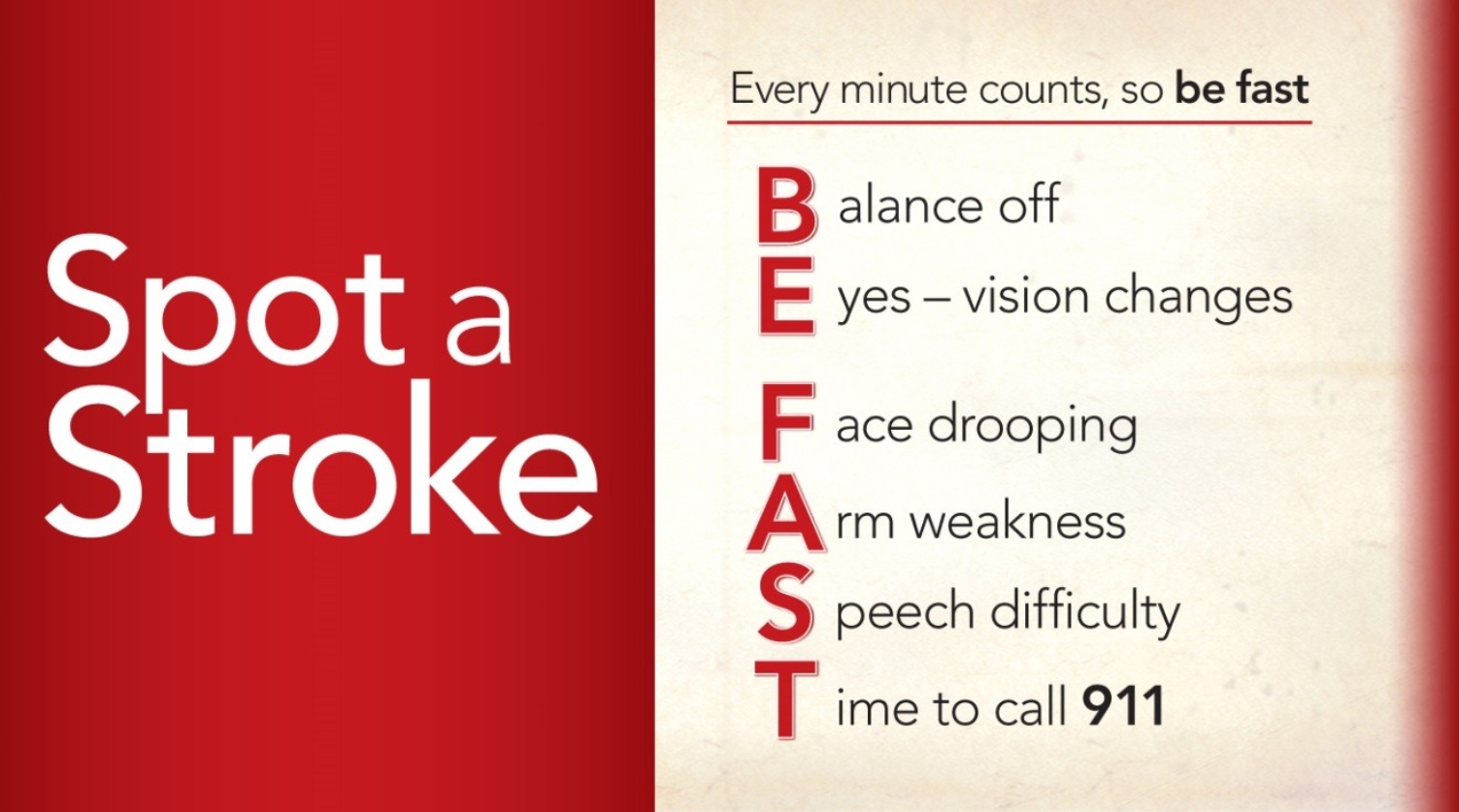
Community education is another important part of stroke care. Recognizing the signs of stroke and acting quickly can make a significant difference. Time is brain and every minute counts, so remember BE FAST.
We encourage you to learn more about stroke by visiting our website: https://www.sanjuanregional.com/stroke-care.